
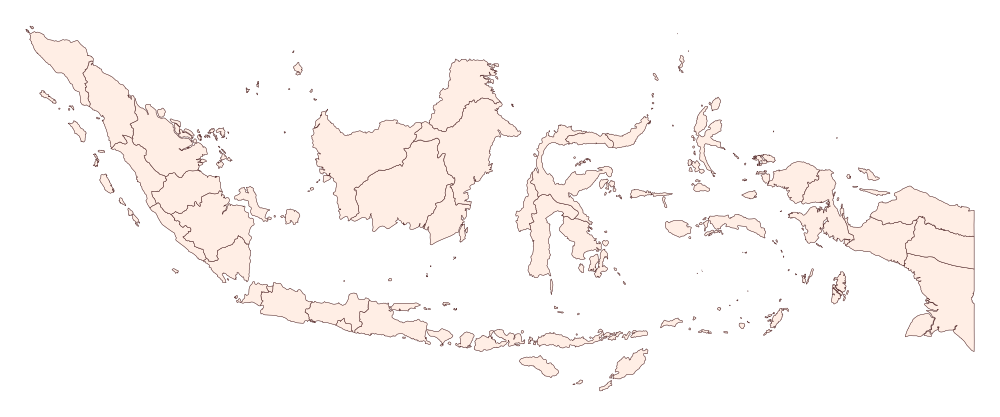

Arriving in Bali begins with understanding the Bali airport entry process, which shapes the first impression of travel in Indonesia. From immigration procedures at Denpasar International Airport to transport connections toward coastal areas such as Sanur, knowing what to expect helps international travelers start their journey calmly. Travel timing also plays a role, as seasonal conditions and the best time to visit Bali can influence arrival flow, processing times, and overall comfort.
Understanding Bali Airport Entry for International Travelers
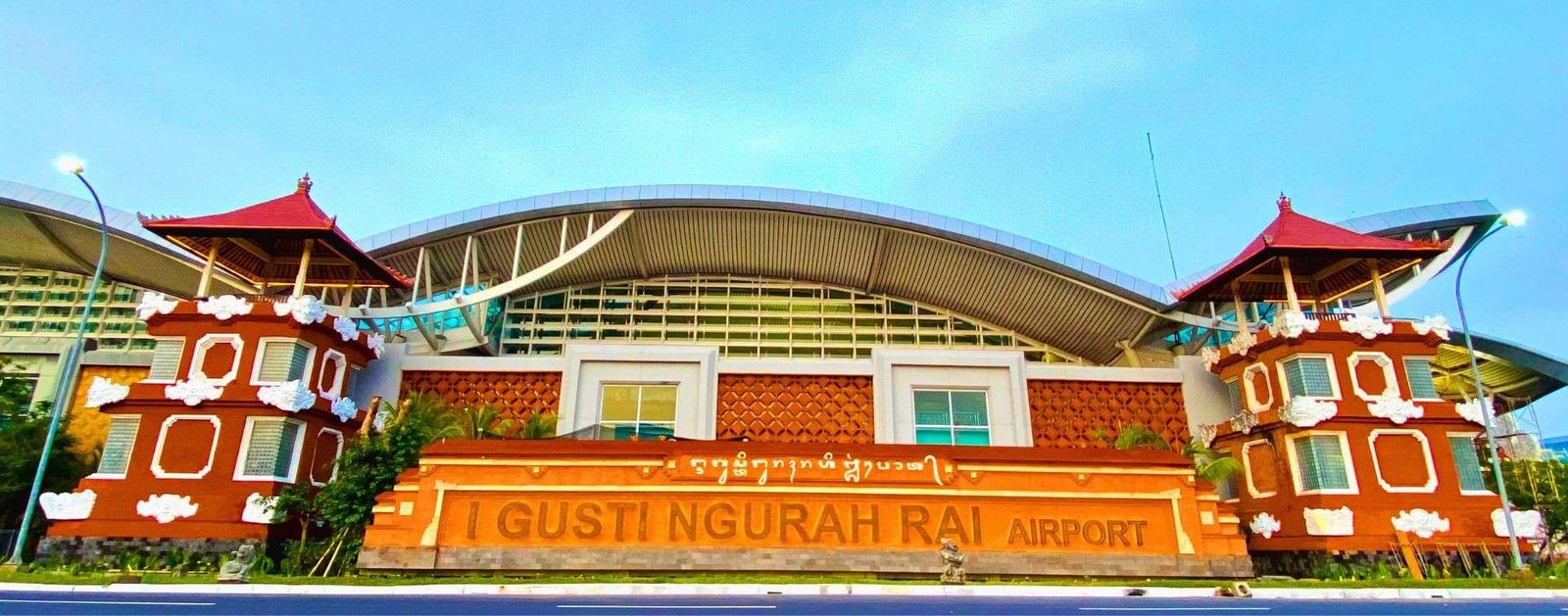
Ngurah Rai International Airport, commonly referred to as Denpasar International Airport, is Bali’s primary international gateway. Located in southern Bali, the airport serves millions of visitors each year and is designed to handle both international and domestic arrivals efficiently.
The Bali airport entry process generally follows a clear sequence. After disembarking, passengers proceed through immigration, collect checked baggage, and pass customs inspection. Signage is available in English and Indonesian, making navigation straightforward even for first-time visitors.
Immigration Process During Bali Airport Entry
Immigration is the first formal step in Bali airport entry. Travelers should ensure their passport is valid for the required period and that visa arrangements match their length and purpose of stay. Indonesia offers several entry options depending on your nationality(Check Here), including visa-free entry, visa on arrival, and pre-approved electronic visas.
Processing time can vary depending on arrival volume and season. During peak travel months, queues may take longer, while off-peak periods often move more quickly. Preparing documents in advance helps reduce delays and ensures a smooth interaction with immigration officers.
Baggage Claim and Customs Inspection
After immigration, travelers proceed to baggage claim. Conveyor belts are clearly marked by flight number, and staff are available if assistance is needed. Once luggage is collected, passengers move to customs screening.
Customs procedures are typically brief. Travelers may be asked to submit a declaration form and choose between green or red channels depending on whether items need to be declared. Random checks are routine and usually conducted efficiently.
Practical Services Inside the Arrival Terminal
Before exiting the terminal, several services support a smooth transition from Bali airport entry to onward travel.
Currency Exchange and Cash Access
Currency exchange counters are available in the arrival hall for converting foreign currency into Indonesian rupiah. While rates are suitable for immediate needs, many travelers choose to withdraw cash from ATMs, which are widely available and accept international cards.
Mobile Connectivity
Local SIM cards and data packages can be purchased inside the terminal. These provide access to navigation apps, transport services, and communication tools. Some travelers prefer to arrange mobile data in advance, though airport counters offer convenient setup support.
Transport Information Desks
Official transport counters provide fixed-price taxi services to popular destinations, including Sanur. Using these counters offers clarity on pricing and destination details, especially for travelers unfamiliar with local transport systems.
Traveling from Bali Airport to Sanur
Sanur is located approximately 15 to 18 kilometers from the airport, depending on the route taken. Travel time usually ranges from 30 to 45 minutes, though traffic conditions can influence the journey.
Transport Options After Arrival
Taxis and private car transfers are the most common options from the airport to Sanur. Prepaid airport taxis offer set fares, while private transfers arranged through accommodation provide a direct and comfortable option for travelers with luggage or family groups.
Ride-hailing services may also operate in designated pickup areas, though availability can vary depending on local regulations and time of day.
What to Expect Along the Route
The drive from the airport passes through urban areas of southern Bali, offering a first look at daily life beyond tourist centers. As the route approaches Sanur, traffic often becomes calmer, and coastal signage signals the transition to a quieter environment.
First Impressions of Sanur
Sanur is known for its relaxed atmosphere and long beachfront promenade. Facing east, the area experiences calmer seas and gentle mornings, making it a preferred base for travelers seeking a slower pace after Bali airport entry.
Accommodation options range from larger beachfront hotels to smaller guesthouses set along side streets. Many areas are walkable, with easy access to cafes, local eateries, and beach paths.
Traditional fishing boats and morning activity along the shoreline reflect Sanur’s long-standing connection to the sea. This setting often appeals to travelers looking for balance rather than high-energy nightlife.
Best Time to Visit Bali and Its Impact on Arrival
Understanding the best time to visit Bali helps travelers plan not only activities but also arrival experiences. Bali’s tropical climate is divided into dry and rainy seasons, each influencing travel conditions differently.
Dry Season Travel Conditions
The dry season typically runs from April to October. These months offer lower humidity, more predictable weather, and smoother travel conditions. For many visitors, this period is considered the best time to visit Bali, particularly for outdoor activities and coastal exploration.
July and August are among the busiest months due to school holidays and increased international travel. During this time, Bali airport entry procedures may experience higher passenger volume, resulting in longer processing times.
Rainy Season Considerations
The rainy season usually spans from November to March, with heavier rainfall between December and February. Rainfall often occurs in short bursts, and travel continues with minimal disruption.
Visiting during this season may offer quieter arrival halls and less crowded transport routes. Landscapes appear greener, and prices can be more flexible. Planning additional time for transfers is recommended during periods of heavy rain.
Cultural Awareness During Arrival
Cultural understanding enhances the Bali airport entry experience and early interactions. Bali’s Hindu traditions influence daily routines, ceremonies, and public spaces.
Small offerings placed on sidewalks or building entrances are common and should be respected. Dress standards are relaxed in most public areas, though modest attire is appreciated when visiting temples or traditional neighborhoods.
A respectful and observant approach helps travelers adjust smoothly during their first days in Bali.
Orientation and Daily Movement in Sanur
Sanur’s layout is relatively simple. A main road runs parallel to the coastline, with smaller lanes connecting residential areas and accommodations. Many visitors use walking or cycling to move along the beachfront path, especially during cooler morning and evening hours.
Dining options range from local warung restaurants to international cuisine. This mix reflects Sanur’s long history as a travel hub while maintaining a quieter atmosphere than other areas in southern Bali.
Health, Safety, and Practical Advice
Sanur is generally considered suitable for first-time visitors. Basic precautions such as securing personal belongings and using licensed transport apply.
Medical clinics and pharmacies are available locally, with larger hospitals accessible within a short drive. Travel insurance covering medical care is recommended for all visitors.
Adjusting to the tropical climate by staying hydrated and pacing activities helps travelers remain comfortable after arrival.
A Balanced Start to Your Bali Journey
Navigating Bali airport entry does not need to be complicated. With clear procedures, accessible transport options, and an understanding of seasonal conditions, travelers can transition smoothly from arrival to accommodation.
Sanur offers a calm and welcoming environment that allows visitors to settle in at their own pace. By planning arrival details carefully and considering the best time to visit Bali, international travelers can begin their stay with confidence and a sense of orientation, setting a steady foundation for further exploration across the island.